
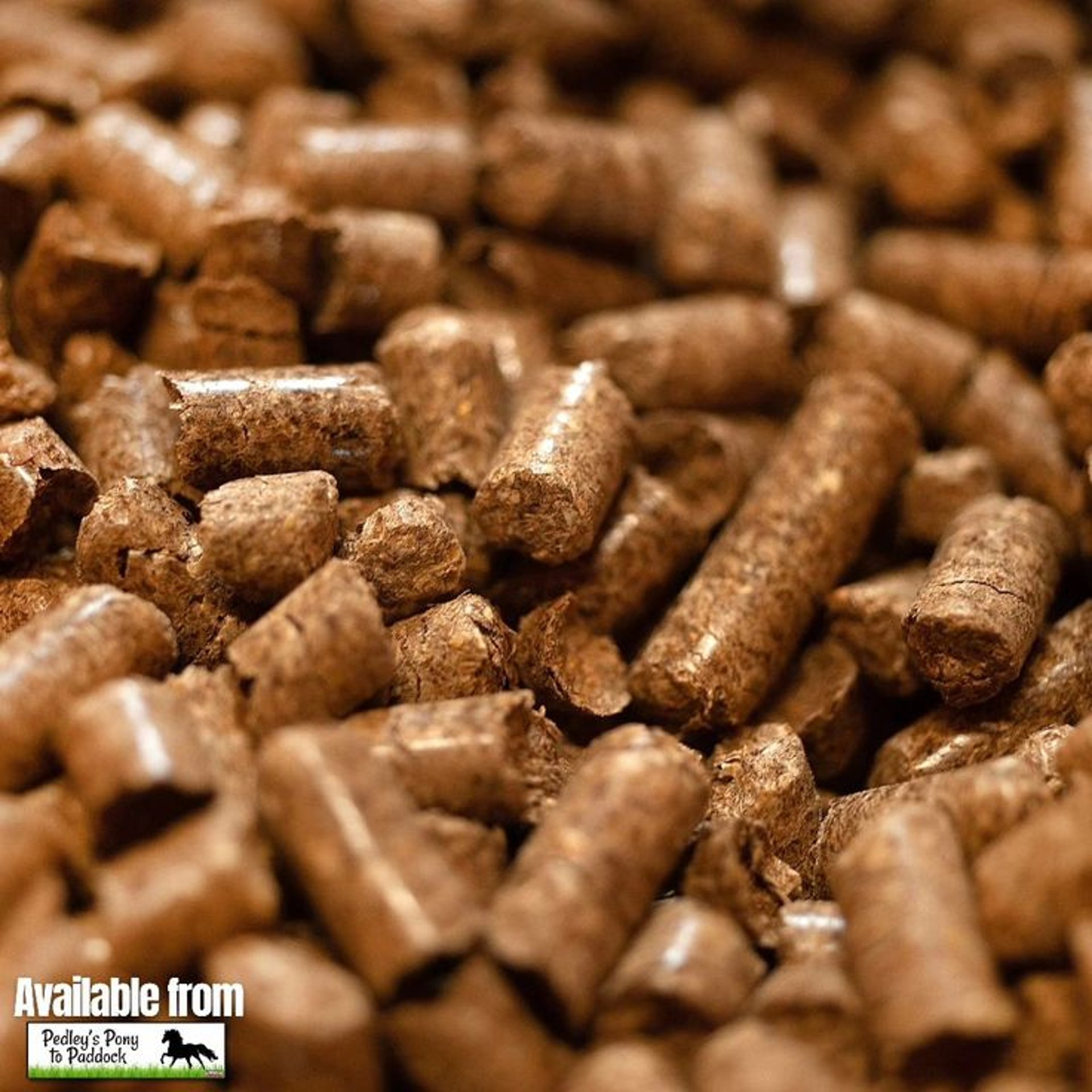
Coffee Biofuel
Aditya Exports supplies sustainable coffee parchment pellets worldwide
Aditya Exports & Imports
Supplying sustainable coffee parchment and pellets worldwide to fuel Ethiopia's cement industry. Biofuel potential of raw coffee parchment and its pellets to supplement the energy demand of the cement industries of Ethiopia by characterizing their combustion characteristics and ash qualities for clinker production. The raw and pelletized coffee parchments were characterized for ultimate and proximate composition, calorific value, heavy metals, and ash oxides. The ultimate analysis confirmed higher carbon (45.5%) and hydrogen (6.5%) content and lower nitrogen (0.4%) and sulfur (0.1%) content in the pellets as compared to the commonly used biomass fuels. The moisture content (11.2%) and ash content (5.97%) of the pellets meet the ISO standard for non-wood pellets (ISO 17225–6, 2014). Pelletization of the coffee parchment enhanced the gross heating value of the biomass. The ash analysis revealed that the ash may supplement a sufficient amount of oxides of calcium, silica, aluminum, and iron required for clinker production. Overall, the results signify that coffee parchment and its pellets have suitable properties to be used as cheap, sustainable and eco-friendly bio-fuel for the cement industries of Ethiopia.
Gallery
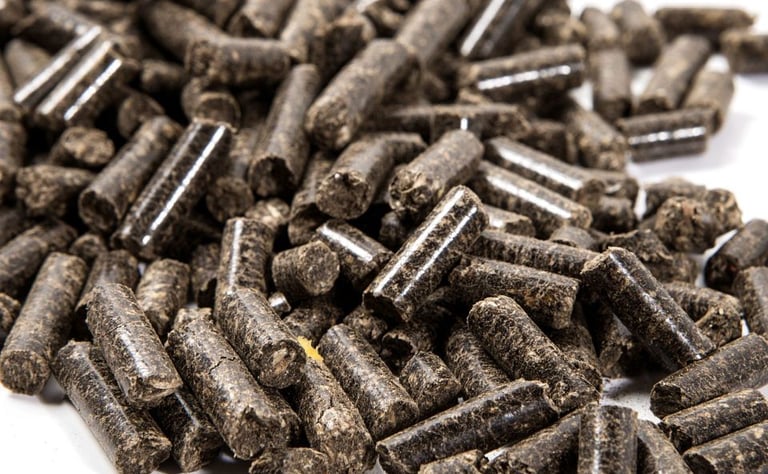
Showcasing coffee parchment and pellet biofuels.
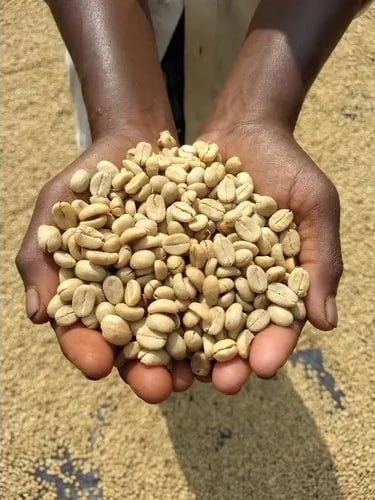
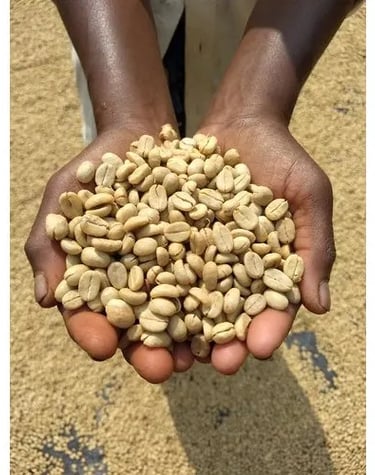
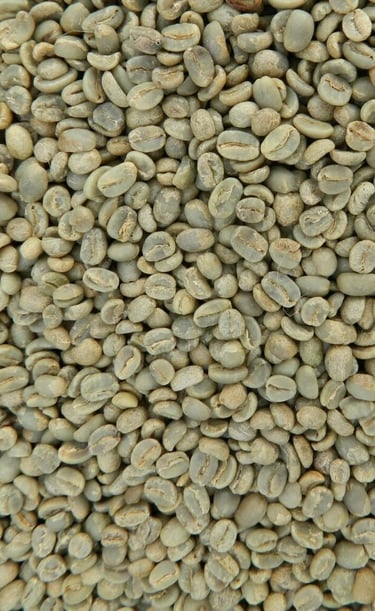
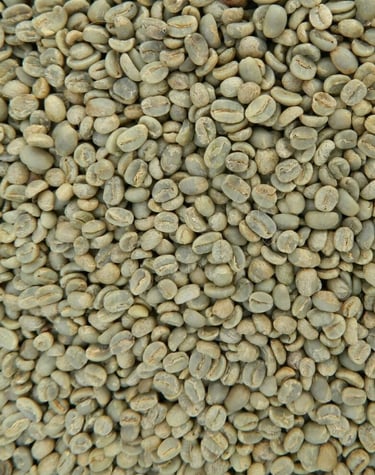


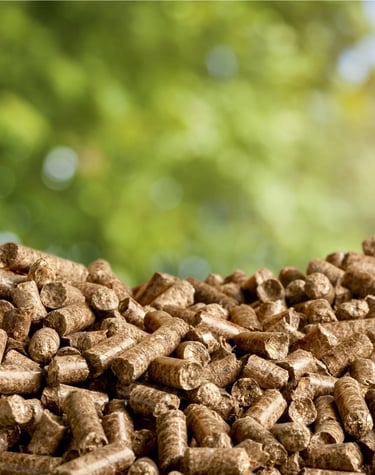
Coffee Parchment
Raw coffee parchment ready for pelletizing.
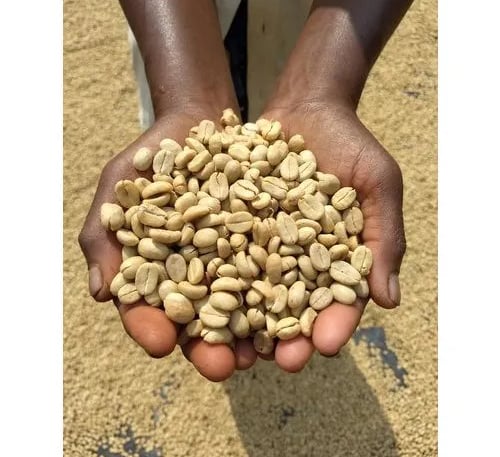
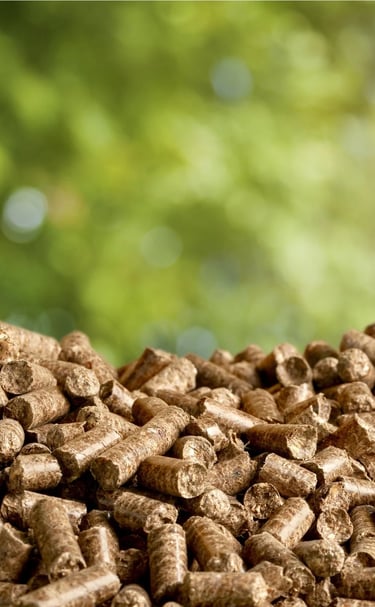
Pellet Production
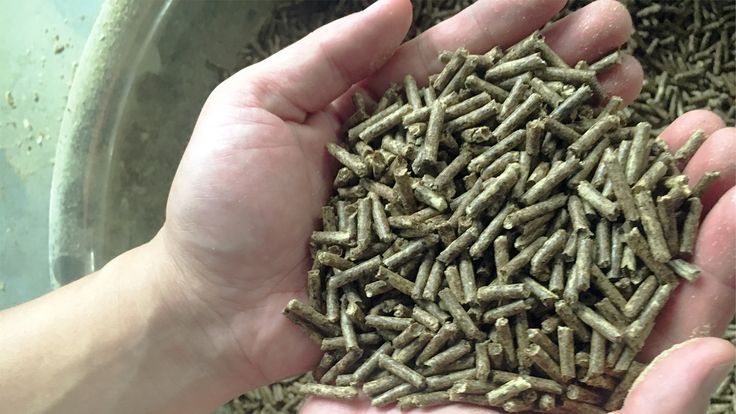
Aditya Exports and Imports processes coffee parchment into dense pellets, enhancing energy value and meeting ISO standards for non-wood biomass fuels.
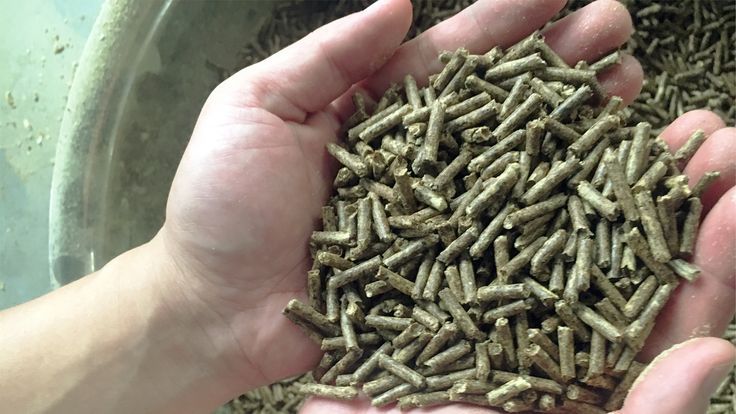
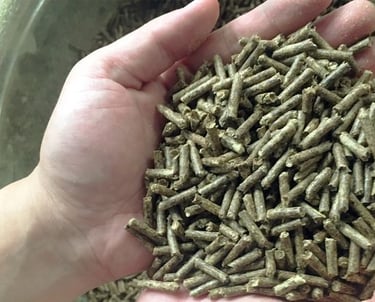
Biofuel Potential
Coffee parchment pellets offer high carbon content and low impurities, making them ideal for sustainable energy in Ethiopia's cement industry.
FAQs
What is coffee parchment?
Coffee parchment is the outer layer removed from coffee beans after processing.
How are pellets made?
Pellets are made by compressing raw coffee parchment into dense, uniform shapes for easier handling.
Why use coffee parchment pellets as biofuel?
They have high carbon and hydrogen content, low moisture and ash, and their ash contains essential oxides for clinker production.
Aditya Exports and Imports supplies coffee parchment and pellets globally.
Who supplies these pellets worldwide?
Are these pellets eco-friendly?
Yes, they offer a sustainable and cheap alternative to traditional fuels.
Contact Us
Reach out for coffee parchment supply details.

ADITYA EXPORTS & IMPORTS
( INTERNATIONAL)
Global imports and exports of premium products.
CONTACT
+91 9743555301
© 2026. All rights reserved.